

Total: $50.00
(770) 284-1049
admin@triplemsecurity.com

Original price was: $100.00.$50.00Current price is: $50.00.
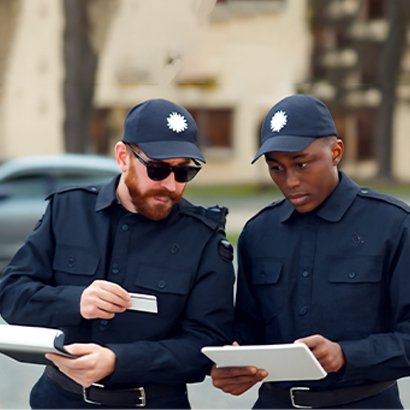
Train participants effective patrol methods to maximize visibility, deterrence, and threat identification. Introduce and explain types of patrols: Foot Patrol, emphasize thoroughness and increased visibility in specific areas. Vehicle Patrol, cover larger areas quickly; discuss best practices for monitoring while mobile. Random vs. Fixed Routes: Explain how random patrols reduce predictability, while fixed routes ensure consistent coverage. Koper Curve Theory: Introduce this evidence-based approach, focusing on short, high-visibility patrols in hot spots
Patrol and observation techniques 4 hours
Incident Response 4 hours
Patrol and Observation Techniques (4 Hours)
1. Patrol Techniques (1 hour)
Train participants effective patrol methods to maximize visibility, deterrence, and threat identification. Introduce and explain types of patrols: Foot Patrol, emphasize thoroughness and increased visibility in specific areas. Vehicle Patrol, cover larger areas quickly; discuss best practices for monitoring while mobile. Random vs. Fixed Routes: Explain how random patrols reduce predictability, while fixed routes ensure consistent coverage. Koper Curve Theory: Introduce this evidence-based approach, focusing on short, high-visibility patrols in hot spots
Directed Patrol: Explain how to use crime data to target specific problem areas and direct resources. Practical Exercise: Conduct a mock patrol within the facility, using both random and directed patrol techniques, focusing on visibility, observation, and adaptability.
2. Information Gathering (45 minutes)
Train participants to collect, process, and report useful information accurately during patrol. Train techniques for observing surroundings, identifying unusual behavior, and distinguishing between normal and suspicious activities. Train participants to remember specific identifiers like clothing, physical appearance, and vehicle details. Train basic questioning skills to gather information from witnesses, employees, and other individuals without appearing confrontational. Pair participants for brief interviews to practice information gathering from a simulated witness or bystander.
3. Crimes in Progress (45 minutes)
Equip participants with knowledge and procedures for safely handling crimes in progress. Train officers to quickly evaluate crimes in progress and identify the safest approach. Train on using cover, observing from a distance, and identifying escape routes. When appropriate, direct officers on when to intervene vs. when to wait for law enforcement. Review real-life incidents where immediate response by security prevented further crime, discussing both effective tactics and areas for improvement. Participants will watch a short video
4. Officer Safety (30 minutes)
Emphasize safe practices to prevent injuries and manage risk. Discuss the importance of PPE, Personal Protective Equipment (PPE): including body armor, gloves, and flashlights. Train participants the importance of maintaining communication with team members or dispatch. Train participants basic defensive stances, situational awareness for exits, and de-escalation techniques. Participants will role-play a situation where an officer must assess risk and prioritize personal safety over engagement.
5. Note Taking and Report Writing (1 hour)
Train effective notetaking and report-writing techniques to document incidents clearly and accurately. How to document events in real-time and identify key details (who, what, when, where why) of the 5W’s. Clear sections for introduction, incident description, actions taken, and outcome. Train participants the importance of avoiding personal opinions and staying factual. Have participants write a mock report based on a short, simulated incident, (participants will watch a short video) then review as a group for feedback on clarity and detail.
Incident Response (4 Hours)
1. Responding to Emergencies (45 minutes)
Prepare participants for handling general emergency situations with a calm, organized response. Prioritize actions based on the severity of injuries, property damage, and public safety Establish lines of communication with law enforcement, emergency medical services, and supervisors. Overview of basic first aid techniques, such as controlling bleeding and stabilizing injuries until help arrives. Conduct a brief emergency scenario where participants practice initial response, communicating effectively, and securing the area. Participants will watch a short video and demonstrate what they have learned and observed
2. Crowd Control and Evacuations (45 minutes)
Train participants on safely managing crowds and evacuating areas during high-stress situations. Train participants how understanding crowd behavior and tactics to influence orderly movement. Train participants how to guide people to safe exits, assess for anyone needing assistance, and prevent panic. Using calm, clear instructions to direct crowds, especially in noisy environments. Simulate a crowd control situation to practice effective techniques.
3. Fire Control and Prevention (30 minutes)
Educate on fire hazards, prevention measures, and emergency response. Identifying common fire risks (e.g., electrical cords, flammable materials). Proper techniques for using fire extinguishers (PASS: Pull, Aim, Squeeze, Sweep). Train participants proper evacuation coordination: directing people to exits and ensuring the building is cleared. (Provide a hands-on demonstration of fire extinguisher use, if possible.)
4. Hazardous Materials (30 minutes)
Introduce procedures for recognizing and responding to hazardous materials (HAZMAT) incidents. Provide an overview of chemical, biological, radiological, and nuclear hazards. Provide techniques for identifying hazardous materials and isolating the area. Provide the steps to notify the appropriate authorities and ensure minimal exposure to personnel and public. Review a HAZMAT incident example and discuss how security personnel responded.
5. Bomb Threats and Terrorism (30 minutes)
Prepare officers for responding to bomb threats and potential terrorist activities. Train on how to identify suspicious packages, vehicles, or behaviors. Evacuating the area, maintaining a safe distance, and notifying emergency services. Calmly directing individuals and communicating clearly with law enforcement. Simulate a bomb threat and walk-through proper procedures to ensure readiness.
6. Response to an Active Assailant (30 minutes)
Train protocols for handling active assailant scenarios with a focus on safety and de-escalation. Train the basics of this protocol, prioritizing escape, securing oneself, and defending if necessary. Guide participants on recognizing areas to shelter or safely evacuate. Staying calm and communicating escape routes to civilians. Talk through a hypothetical active assailant scenario to review response steps without physical enactment.
7. Mental Health Awareness (30 minutes)
Raise awareness of mental health issues and Train de-escalation techniques for interacting with individuals in crisis. Identify signs of a mental health crisis, such as confusion, agitation, or erratic behavior. Use calm communication, empathetic listening, and non-threatening body language. Inform on local mental health resources or contacts for assistance. Practice a de-escalation scenario with an individual showing signs of mental distress.
| Duration | 8 Hours |
|---|

There are no reviews yet.